Loss and Damage Funding
2023 Moran Environmental Fellow
2023
NRDC Expert Blog by Joe Thwaites with Rennie Jones
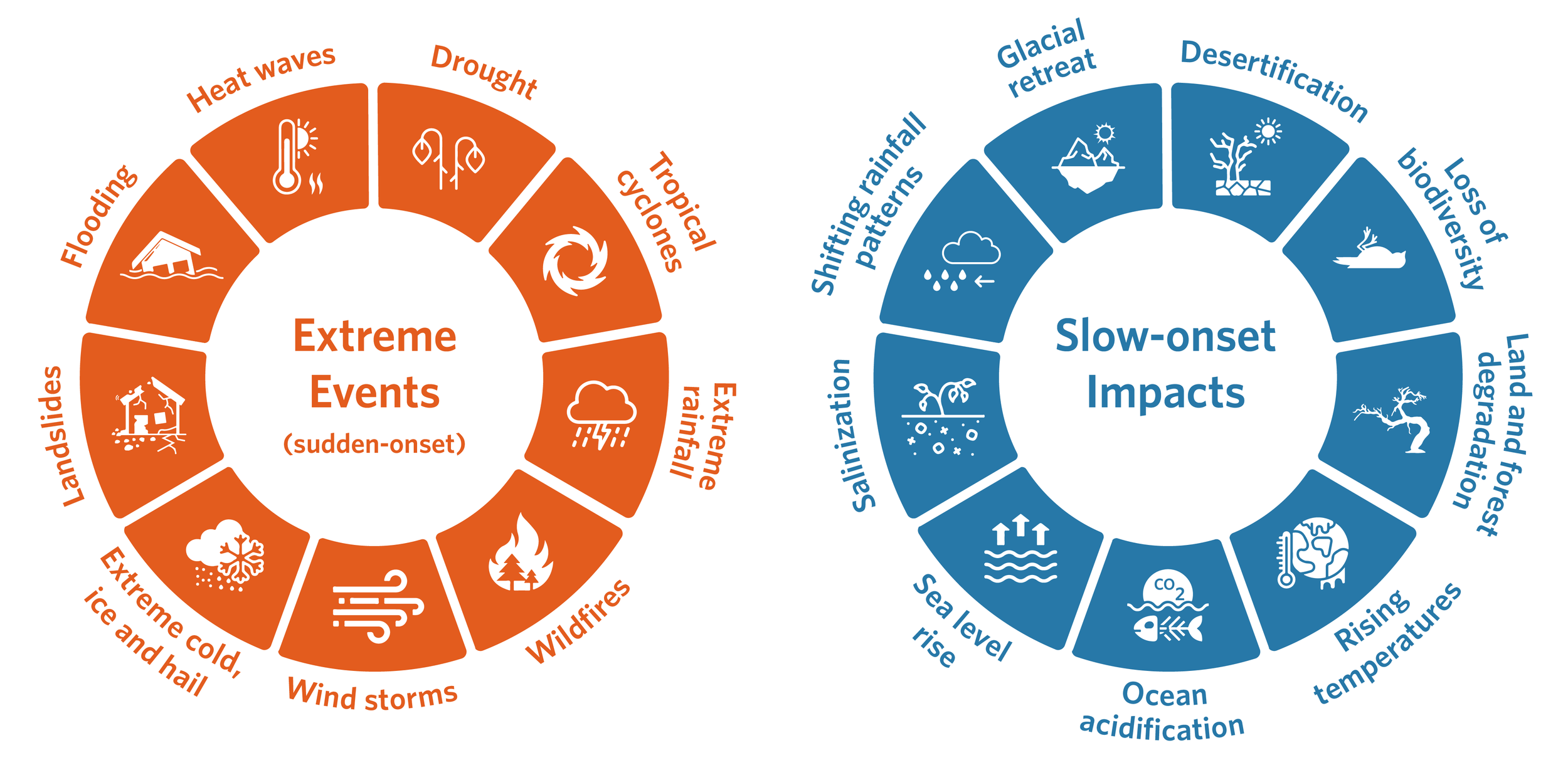
Hurricanes, wildfires and even slower-onset climate impacts, like rising sea levels, are outstripping the ability of many communities—particularly the poorest and most vulnerable—to cope. All around the globe, this means loss and damage to lives, livelihoods, property, and cultural heritage.
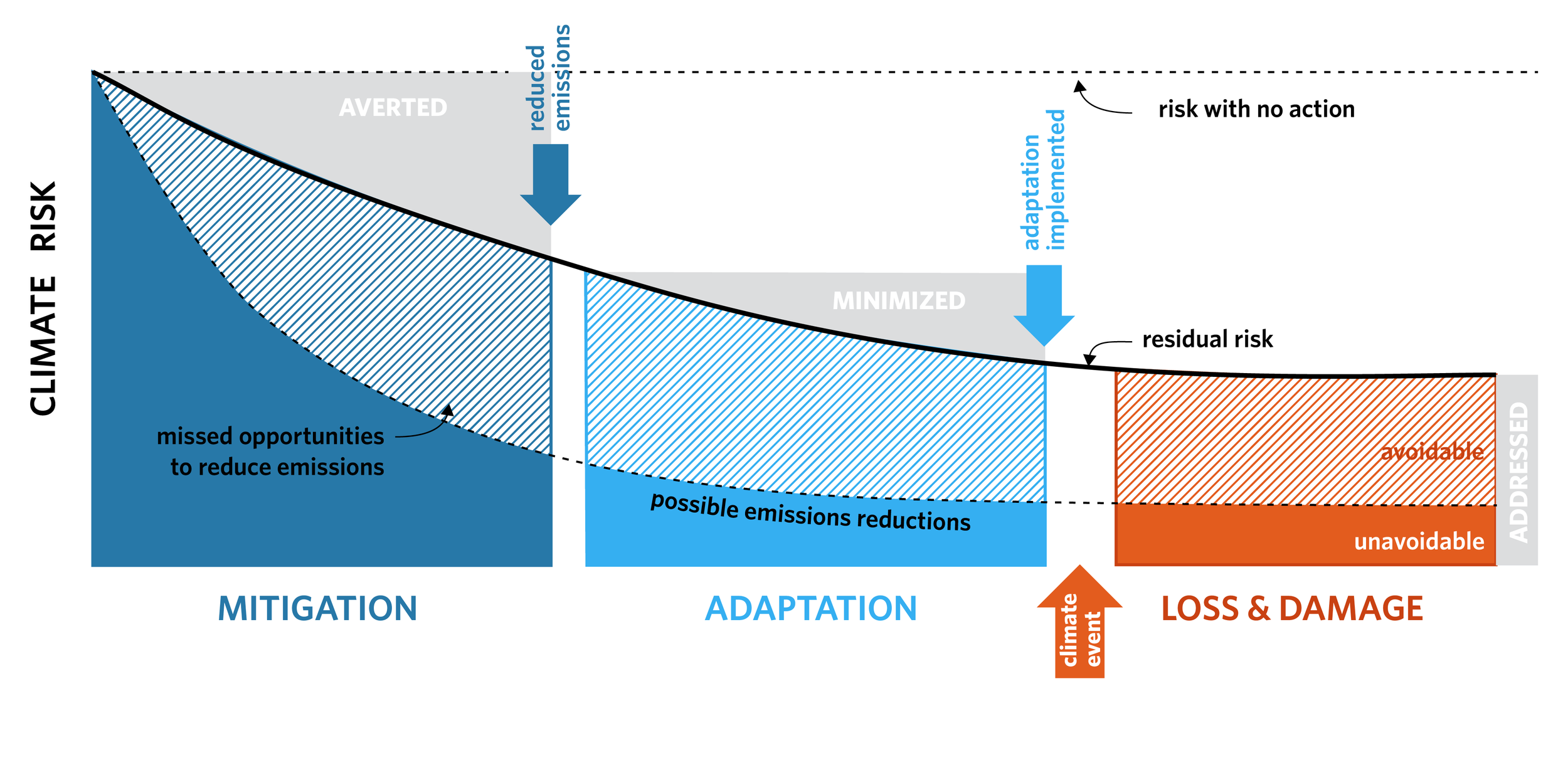
While we still need to cut emissions (mitigation) and reduce the severity of climate impacts (adaptation), we also clearly need to be ready, financially and otherwise, to address the fallout of climate change that we can’t avoid.
As the biggest cumulative emitter of greenhouse gas emissions and the largest economy in the world, the United States has a particular responsibility and capacity to lead. Unaddressed climate impacts disrupt supply chains, raising the price of commodities and undermining global economic stability. And climate disasters can exacerbate underlying stressors that drive conflict and force people to migrate.
At COP28, the U.S. announced a $17.5 million pledge to the new Fund to address loss and damage, along with $4.5m for Pacific Resilience Facility and $2.5 million for the Santiago Network. These contributions are important, but the U.S. will need to do much more if it wants to live up to its international responsibilities and maintain its climate leadership.
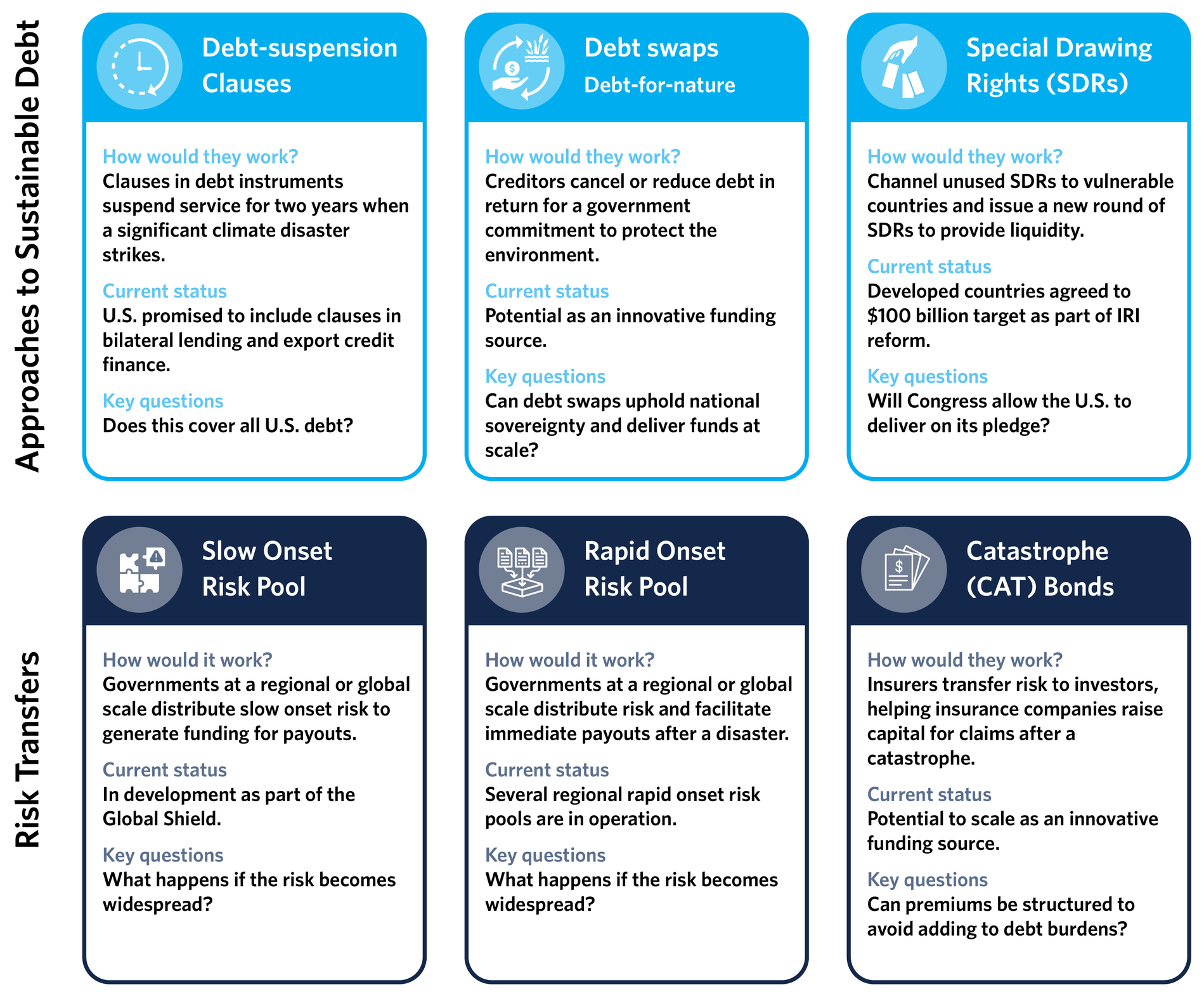
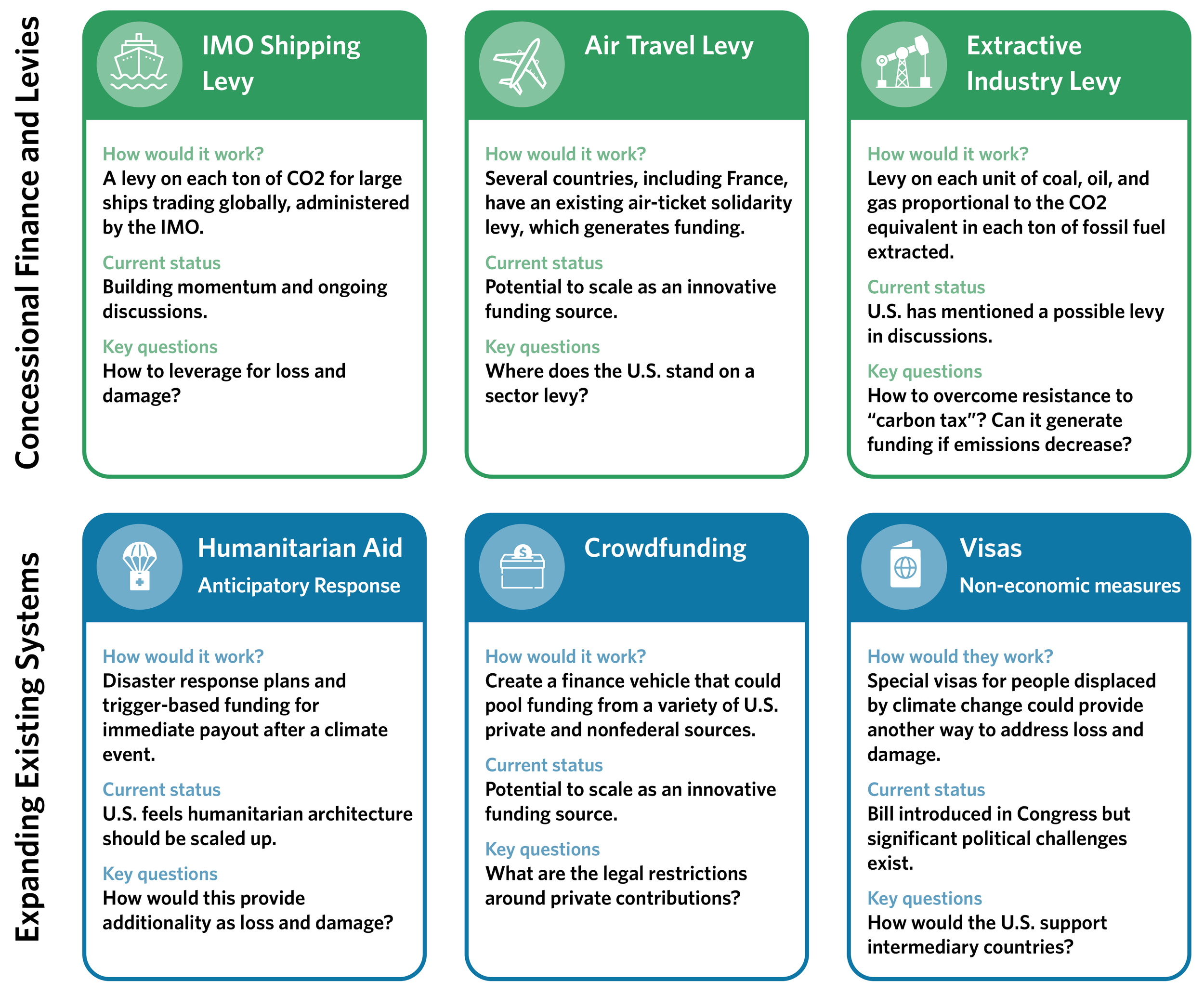
Given challenging domestic politics, there is a need for innovative thinking about alternative ways the U.S. can step up and play its part in generating funding for loss and damage. Here, we explore some potential solutions, focusing on three groups of proposals: expanding existing systems to provide financing; addressing debt; and raising revenue in innovative ways.
Read the Article